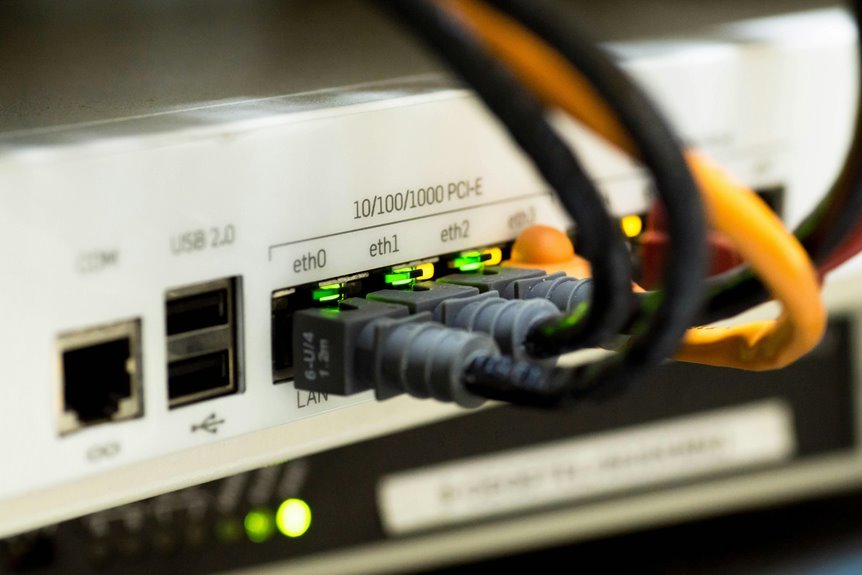
Telecom integrity is vital for the stability of communication networks. Unique identifiers, such as 3511802264 and 3534569019, serve critical roles in user management and data security. Without proper oversight, these identifiers can be vulnerable to unauthorized access. Understanding the technologies that defend against such threats is essential. As the landscape of telecommunications evolves, the implications for security and integrity become increasingly significant. What measures will emerge to enhance this crucial aspect of network reliability?
Importance of Telecom Integrity
The significance of telecom integrity lies in its foundational role in ensuring reliability, trust, and security within communication networks.
It serves as a critical component for maintaining network reliability, which is essential for seamless communication.
Furthermore, effective telecom integrity safeguards data protection, mitigating risks associated with breaches and unauthorized access.
Thus, it empowers users by fostering a secure environment for free expression and information exchange.
Key Technologies in Network Defense
Numerous key technologies play a pivotal role in network defense, each contributing unique capabilities to enhance security measures.
Essential network protocols facilitate secure communication, while robust security frameworks establish guidelines for safeguarding data.
Together, these elements create a resilient infrastructure capable of thwarting cyber threats.
Analyzing Identification Numbers
Identification numbers serve as crucial elements in the telecommunications landscape, providing unique identifiers for users, devices, and services.
Effective identification protocols ensure accuracy and security in data management, while rigorous number validation processes mitigate risks of fraud and unauthorized access.
Future Trends in Telecommunications Security
How will emerging technologies shape the landscape of telecommunications security in the coming years?
Quantum encryption is poised to revolutionize data protection, offering unbreakable security against future threats.
Concurrently, AI monitoring will enhance real-time threat detection and response capabilities.
Together, these advancements will create a more resilient telecommunications infrastructure, fostering an environment where individual freedom and data integrity are paramount in an increasingly interconnected world.
Conclusion
In conclusion, the integrity of telecommunications serves as the bedrock upon which secure communication is built. Just as a fortress protects its inhabitants from external threats, robust oversight and defense mechanisms shield identification numbers from unauthorized access. As the landscape of telecommunications evolves, embracing advanced technologies and proactive strategies will be essential. Ultimately, safeguarding these unique identifiers not only enhances network reliability but also cultivates a trusted environment, ensuring seamless communication for all users.