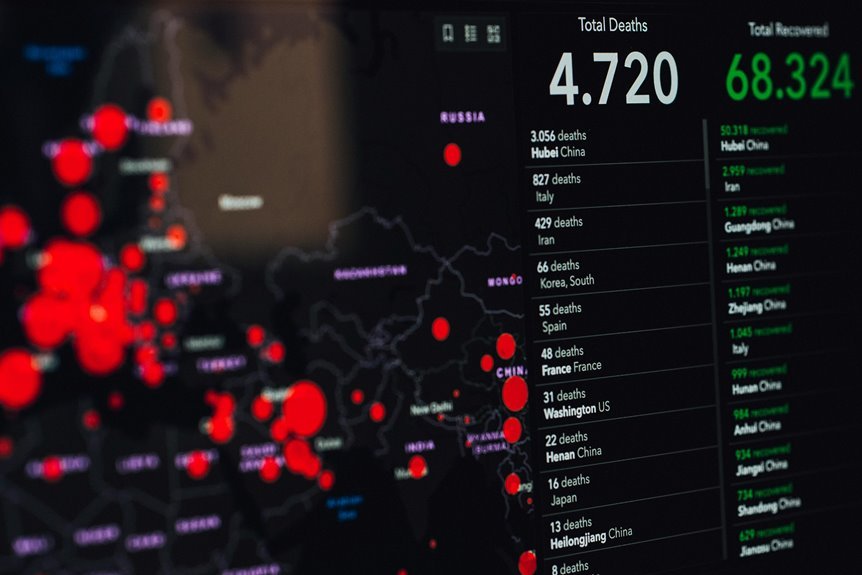
The 742339 Emergency Call Success Tracking initiative underscores the necessity of evaluating emergency call outcomes. By employing advanced data analysis and real-time monitoring, agencies can discern patterns in response efficiency. This approach not only aids in resource allocation but also enhances overall public safety. However, the integration of emerging technologies raises critical questions about its broader implications for emergency services. What challenges and opportunities lie ahead in this evolving landscape?
The Importance of Tracking Emergency Call Outcomes
Although emergency calls are critical in saving lives, tracking their outcomes remains an essential yet often overlooked aspect of emergency response systems.
Effective emergency call analysis facilitates outcome evaluation, enabling responders to identify areas for improvement.
Innovative Techniques for Monitoring Response Times
Monitoring response times is a vital component of evaluating the overall efficiency of emergency response systems.
Innovative techniques, such as real time analytics, enable agencies to track and assess performance instantly. Additionally, predictive modeling aids in forecasting potential delays, allowing for proactive adjustments.
These methodologies enhance the ability to respond swiftly, ultimately ensuring that public safety remains a priority in emergency situations.
Analyzing Data for Improved Public Safety
Data analysis plays a crucial role in enhancing public safety by identifying patterns and trends within emergency response incidents.
By employing data visualization techniques, analysts can reveal call patterns that inform resource allocation and training needs.
This evidence-based approach allows authorities to anticipate demands, streamline responses, and ultimately improve outcomes, fostering a safer environment for communities while ensuring a proactive stance on public safety.
The Role of Technology in Emergency Services Optimization
Advancements in technology significantly enhance the optimization of emergency services, building upon insights gained from data analysis.
Telemedicine integration allows for immediate medical consultations, improving patient outcomes during emergencies.
Meanwhile, AI dispatching streamlines response times, ensuring that resources are allocated efficiently.
Together, these innovations empower emergency services, promoting a proactive approach to public safety and enhancing the overall effectiveness of emergency response systems.
Conclusion
In conclusion, the 742339 Emergency Call Success Tracking initiative serves as a vital tool for enhancing emergency response efficiency and public safety. By leveraging data analytics, agencies can identify trends and improve resource allocation, ultimately reducing response times. Notably, studies indicate that a mere 1-minute reduction in response time can increase survival rates by up to 10% for critical emergencies. This underscores the significance of continuous monitoring and technological integration in optimizing emergency services to meet community needs effectively.